
When to Plant Zucchini [30 States, 47 Regions]
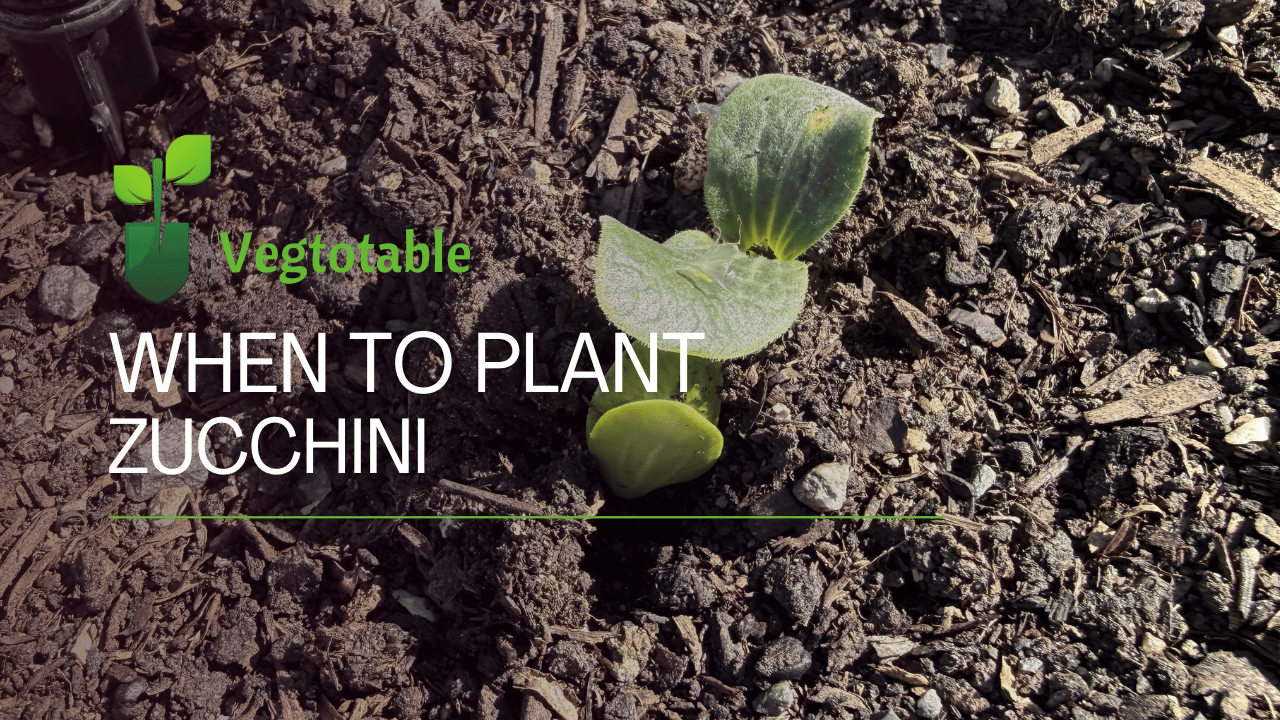
Zucchini is one of the easiest vegetables you can grow. Until it isn't.
I've watched people murder a whole bed of zucchini by planting too early. The seeds just sit there in cold, wet soil and rot. Or they get one warm week in March, rush everything in the ground, and then a late frost wipes it all out overnight. Unlike carrots or broccoli, zucchini has zero tolerance for frost. One freeze and it's done.
Get the timing right and zucchini will practically grow itself. Most varieties go from seed to harvest in 50 to 60 days. The plants are aggressive, productive, and honestly hard to mess up once the conditions are right.
The timing question is what trips people up. And it varies a lot depending on where you live.
I've spent weeks pulling together planting data from gardeners, university extension programs, and my own Southern California garden to put together this guide. Whether you're in Tennessee, Texas, or upstate New York, I've got a planting window for you.
Zucchini Germination Temperature
Before we get to the state breakdown, here's the number that matters most: soil temperature.
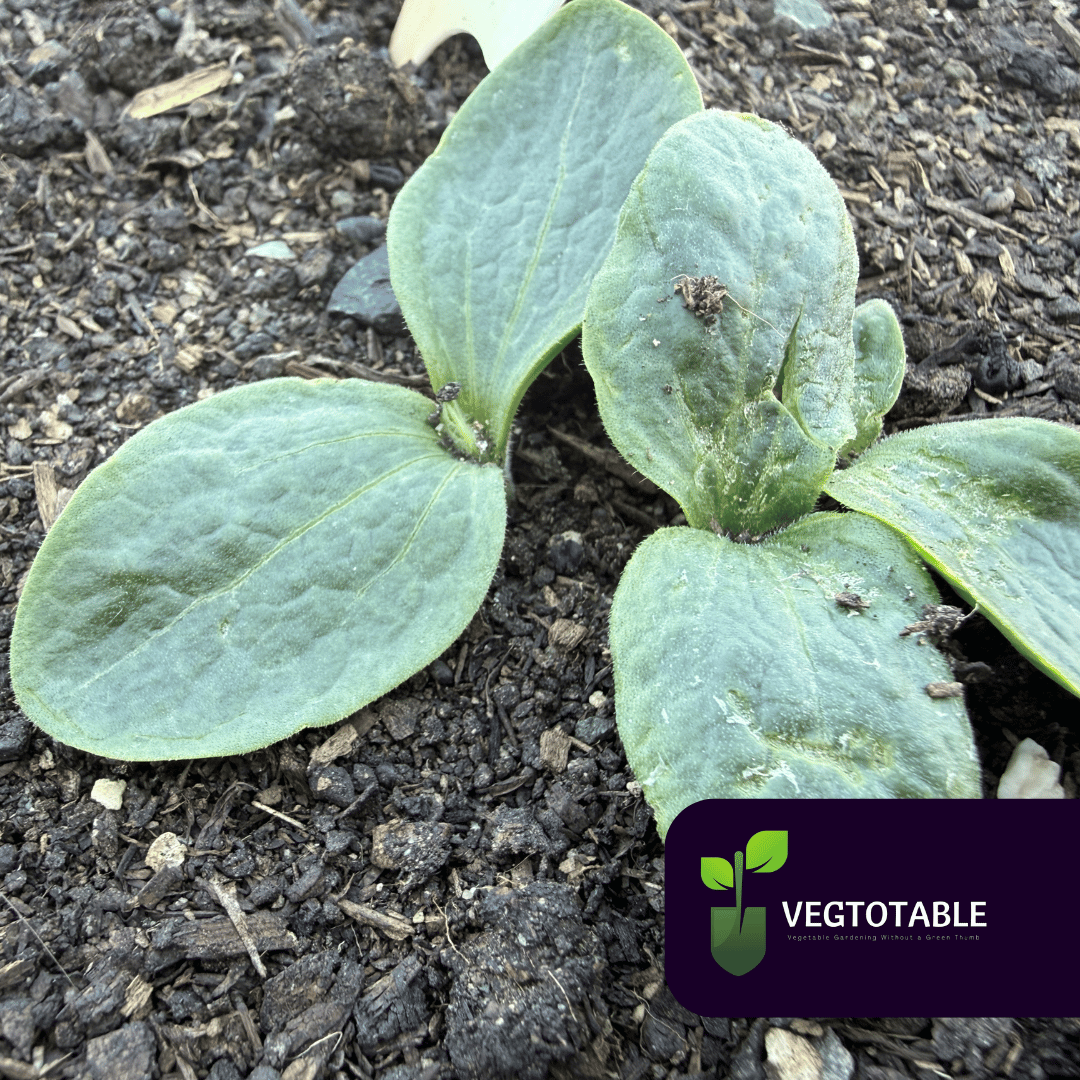
Zucchini seeds need the soil to be at least60°F to germinate. Below that, they'll just sit there. Or rot. The optimal range is 70°F to 95°F, and once you hit that sweet spot, zucchini can germinate in as little as 5 to 7 days. Here’s what mine look like after 5 days in 80°F soil.
I know a lot of gardeners who go by the calendar. "It's May 1st, time to plant zucchini." But the calendar is just a rough proxy for what's actually happening in the soil. Buy a soil thermometer. They're $10 and they'll save you a lot of frustration.
Here's a quick breakdown of what to expect at different soil temps:
Below 60°F — Don't bother. Seeds will rot before they sprout.
60–70°F — Seeds will germinate but slowly. Expect 10–14 days.
70–85°F — This is the sweet spot. Germination in 5–7 days.
Above 95°F — Germination slows back down. Too hot is a thing.
Also keep an eye on your nighttime temperatures. Even if the soil is warm enough, zucchini doesn't like it when nighttime temps drop below 50–55°F. Growth stalls. Plants just sit there looking sad, and that will make you sad. No one wants to be sad.
Wait until both conditions are met, soil at 60°F minimum, nighttime temps consistently above 50°F, and you'll be fine.
Direct Sow or Transplant?
Direct sow. Almost always.
Zucchini grows incredibly fast, and it doesn't love having its roots disturbed. One gardener I came across tested indoor-started plants against same-day direct-sown seeds and only harvested about four days earlier from the transplants. Four days. After all that extra work babying seedlings under a grow light.
For most of the country, there's simply no need to start zucchini indoors. Wait for the soil to warm up, drop the seeds in, and you'll be harvesting before you know it.
There are a few exceptions, which I'll call out for specific regions, places where the frost-free growing window is so short that you genuinely need a head start. But unless I flag it, assume direct sow is the move.
One more thing: if you do need to start indoors, only give yourself a 2 to 3 week head start, not 6 to 8 weeks like you would for tomatoes. Larger transplants hit transplant shock hard. Use biodegradable pots so you can plant the whole thing without disturbing the roots.
Related Article: Starting Zucchini Seeds Indoors
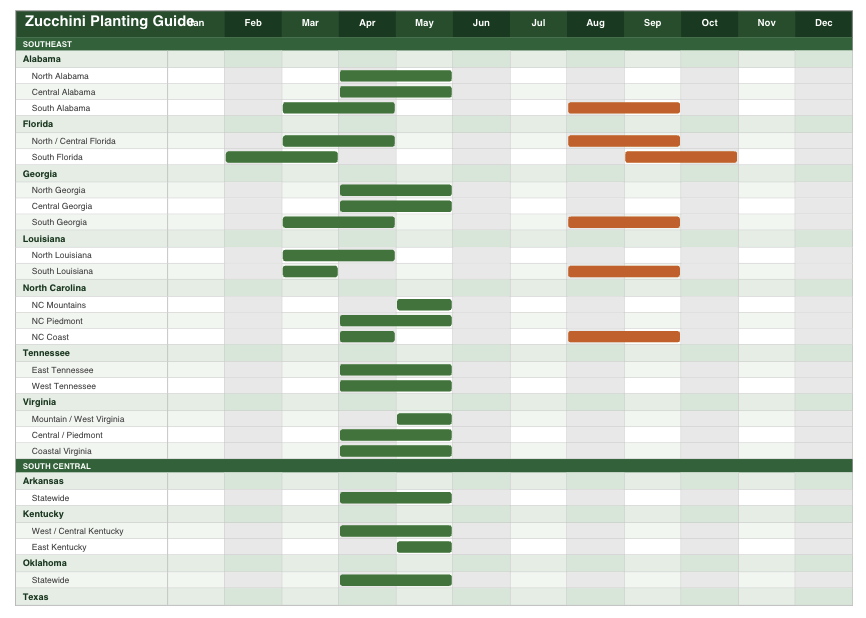
Zucchini Planting Chart (30 States, 47 Regions)
You can download this free reference chart to see when to plant zucchini.
When to Plant Zucchini in Alabama
North Alabama
In the northern part of the state, wait until late April to direct sow zucchini. Your last frost typically lands around April 1 to 7, but the soil needs another couple of weeks to warm up enough to actually get those seeds moving.
Don't rush it. I know it's tempting when the weather is beautiful in March, but a cold snap in early April will wipe you out.
Central Alabama
Central Alabama gets a bit more runway. Aim for mid-April once soil temps are consistently hitting 65°F or better. Last frost in the Birmingham area lands around March 20 to 25, so you've got a solid buffer before planting.
South Alabama
Down in Mobile and the Gulf Coast area, your last frost comes around late February. That means you can get zucchini in the ground by late March, one of the earlier planting windows in the Southeast.
You've also got a fall planting option here. Put seeds in around mid-August for a second harvest before the first frost hits in November.
When to Plant Zucchini in Arizona
Low Desert — Phoenix and Tucson
This is one of the more interesting zucchini situations in the country. The low desert has two planting windows, and understanding both is the key to actually getting a harvest here.
Spring window: late February through March.
Get seeds in the ground before the brutal summer heat arrives. Zucchini can't handle 110°F any better than it handles frost. If you plant too late, you'll get flowers but the heat will prevent pollination and you'll end up with nothing.
Fall window: late July through August.
Once temps start dropping back into the 90s, you can plant again for a fall harvest. Many desert gardeners actually prefer this window because the plants aren't fighting peak heat during fruit set.
High Country — Flagstaff and Prescott
Up at elevation, it's a completely different game. Flagstaff sits at 7,000 feet and your last frost can run as late as mid-May. Wait until late May or early June to direct sow. You've got a solid growing season through September, so don't stress about rushing.
When to Plant Zucchini in Arkansas
Arkansas has a pretty forgiving spring for zucchini. Last frost typically lands between March 25 and April 7 across most of the state. Aim for mid-April when soil temps are reliably above 65°F.
One harvest per year is typical for most of Arkansas, though gardeners in the southern part of the state sometimes squeeze in a late summer planting in August if conditions allow.
When to Plant Zucchini in California
Northern California
The Bay Area, Sacramento, and the Central Coast all have different microclimates, but most Northern California gardeners are planting zucchini from April through May. Last frost in the Sacramento Valley comes around mid-February, but the soil takes a while to warm up, especially in coastal areas.
If you're in a foggy coastal spot like Pacifica or Half Moon Bay, lean toward May. The soil there stays stubborn well into spring, I hear.
Central Valley
The Central Valley is one of the best places in the country to grow zucchini. Long hot summers, reliable weather, and an early spring. Most Valley gardeners are direct sowing in March and April.
You've also got a fall window. Drop seeds in around August for a harvest in October before the first cool nights arrive.
Southern California — Coastal
If you're in coastal SoCal (Los Angeles, San Diego, Ventura) you've got a generous season. Plant from March through April in the spring. Soil temps along the coast can be slower to warm than inland areas, so check with a thermometer before assuming you're good to go.
You can also plant a fall crop in August or September.
Southern California — Inland and Desert
Inland areas like Riverside, San Bernardino, and the Coachella Valley warm up faster than the coast. April is your primary window, though you want to keep an eye on how quickly the temperature is climbing. If a heat wave is coming in May, get those seeds in early.
Fall planting from August into September works well here too. I usually do this in my own garden and get a solid harvest well into November.
When to Plant Zucchini in Colorado
Front Range — Denver and Fort Collins
Denver's last frost typically lands around May 7, but late frosts in May are not unusual. I'd wait until the last week of May to direct sow. It feels late, but the soil genuinely isn't warm enough before then most years, and one cold snap will set you back further than a conservative planting date.
Western Slope — Grand Junction
The Western Slope has one of Colorado's best gardening climates. Grand Junction's last frost comes around April 15, and the area stays warm enough to get seeds in the ground by early May — nearly three weeks ahead of Denver.
Mountains — 8,000+ Feet
This is the one region in Colorado where I'd recommend starting indoors.
High-elevation mountain communities (Leadville, Breckenridge, Telluride, Steamboat Springs) can have frost-free growing seasons as short as 60 to 90 days. That's not enough margin to direct sow zucchini and reliably get a harvest.
Start seeds indoors 2 to 3 weeks before your last frost in biodegradable pots. Choose the fastest-maturing varieties you can find, 50 days or under. Check the seed packet before you buy.
When to Plant Zucchini in Connecticut
Most of Connecticut sees its last frost between April 25 and May 1. Mid-May is your target for direct sowing. By then the soil has had enough time to warm up and you're past the threat of any cold snaps.
Connecticut's growing season is long enough that you'll get a full, productive harvest without needing to rush.
When to Plant Zucchini in Florida
North and Central Florida
Florida's spring growing window for zucchini runs March through April. Last frost in the northern and central parts of the state comes between mid-February and mid-March.
You've also got a fall window in August through September. Many Florida gardeners actually prefer the fall crop because the worst of the squash vine borer pressure has passed by then.
South Florida
South Florida is nearly frost-free, which means you can plant zucchini earlier than anywhere else in the country. February through March is the spring window. September through October is the fall window.
The main challenge isn't frost; it's the summer heat. Zucchini won't set fruit well when temperatures are consistently above 95°F, which is why most South Florida gardeners take a summer break.
When to Plant Zucchini in Georgia
North Georgia
The mountains and foothills in northern Georgia can get cold well into spring. Atlanta's last frost lands around April 1 to 15 depending on exact location. Aim for late April in the northern part of the state.
Central Georgia
Central Georgia, from Columbus through Macon to Augusta, warms up faster. Last frost is typically around March 20. Mid-April is your target once the soil has had time to catch up.
South Georgia
Down near Valdosta and the Florida border, the last frost comes at the end of February. You can get zucchini in the ground by late March. There's also a fall planting window in August for a second harvest.
When to Plant Zucchini in Idaho
Southern Idaho — Boise and Twin Falls
The Snake River Plain has a solid growing season. Last frost around April 22 to May 1 means you're targeting early to mid-May for direct sowing. Soil warms quickly here once spring arrives.
Northern Idaho — Coeur d'Alene
Northern Idaho runs a bit cooler and later than the south. Last frost is typically around May 7 to 15. Aim for mid to late May for direct sowing. The growing season is long enough that you'll have no trouble getting a full harvest before fall frost arrives.
When to Plant Zucchini in Illinois
North Illinois
Chicago and the northern third of the state sees last frost around April 22. But late cold snaps in May are real, and that lakefront air stays cold. I'd target mid-May for direct sowing up north. Give the soil time to actually warm up.
South Illinois
Down in the southern part of the state (Carbondale, Marion, Cairo), you're looking at an April 7 last frost. Late April to early May is when most gardeners down here get seeds in the ground.
When to Plant Zucchini in Indiana
Indiana tracks closely with Illinois. Last frost runs from April 15 to 22 across most of the state. Target early to mid-May for direct sowing once the soil has hit 65°F. Indiana's summers are warm and productive for zucchini. One good planting is plenty.
When to Plant Zucchini in Iowa
Iowa's last frost runs from April 20 in the south to May 1 in the north. Mid-May is the sweet spot for most of the state. Don't let the warm April days fool you; the soil takes a while to get there, especially in the northern tier.
When to Plant Zucchini in Kansas
Kansas has a wide range of last frost dates across the state, anywhere from early to late April. Late April to early May works for most gardeners. The hot Kansas summers mean zucchini grows fast once it gets going, and you'll be harvesting before you know it.
When to Plant Zucchini in Kentucky
West and Central Kentucky
Louisville and Lexington see their last frost around April 7. Late April is a safe planting window once soil temps are up. Kentucky summers are warm and humid, good zucchini weather.
East Kentucky
Eastern Kentucky runs a bit later. Last frost comes around April 15 to 22 in the mountains. Target early May for direct sowing. The growing season is still long enough for a full, productive harvest.
When to Plant Zucchini in Louisiana
North Louisiana
Last frost in the northern part of the state lands around March 1. Late March is your planting target once the soil has warmed. Summer heat in Louisiana is intense, so you want to get ahead of it.
South Louisiana
New Orleans and the Gulf Coast area see their last frost around February 13. You can get zucchini in the ground by early March. There's also a fall window from August through September, and many Louisiana gardeners actually prefer the fall crop because the heat has broken by then and the plants grow more vigorously.
When to Plant Zucchini in Massachusetts
Coastal Massachusetts — Boston and Cape Cod
Boston's last frost lands around April 15 to 22. Mid-May is your direct sow target. The Atlantic moderates temperatures somewhat, but the soil still takes a while to warm up after a cold New England winter.
Western Massachusetts — Pioneer Valley
The Pioneer Valley (Northampton, Springfield, Amherst) runs noticeably colder than the coast. Last frost is closer to April 25 to May 7. Aim for late May. Anyone gardening at higher elevations in the Berkshires should treat this similarly to western Massachusetts and lean toward the later end of that window.
When to Plant Zucchini in Michigan
Lower Peninsula
Most of lower Michigan sees its last frost between May 1 and 15. Mid to late May is your target for direct sowing. Michigan summers are warm and productive for zucchini, and 50 to 60 days to harvest means you've got plenty of time.
Upper Peninsula
The Upper Peninsula is a different story. Last frost can run from May 15 all the way to June 1, and the first fall frost can come as early as September 15. That's a tight window, sometimes under 110 days.
I'd consider starting seeds indoors 2 to 3 weeks before your last frost date in biodegradable pots. It's not mandatory, but it buys you real margin. Either way, stick to the fastest-maturing varieties you can find, 50 days or less.
When to Plant Zucchini in Minnesota
South Minnesota — Twin Cities
The Twin Cities see their last frost around May 1 to 7. Late May is your target. Soil warms up reasonably well once spring arrives, and Minnesota summers are warm enough to push zucchini along quickly.
North Minnesota — Duluth and Beyond
Northern Minnesota is genuinely challenging for zucchini. Last frost near Duluth or International Falls can run May 20 to June 1, and the first fall frost sometimes arrives by mid-September. That's a frost-free window of around 105 to 110 days.
Direct sowing with a fast-maturing variety (50 days or less) is possible, but tight. Starting seeds indoors 2 to 3 weeks early in biodegradable pots gives you real insurance without the transplant shock risk of an older seedling. Use peat pots you can plant whole.
When to Plant Zucchini in Missouri
North Missouri
Last frost in the northern part of the state comes around April 20. Mid-May is your target for direct sowing. Missouri summers get plenty hot, and zucchini thrives here once it gets going.
South Missouri
Down in the Ozarks and southern Missouri, last frost is around April 7 to 15. You can get seeds in the ground in late April or early May. South Missouri gardeners often get very productive harvests running well into September.
When to Plant Zucchini in New Jersey
North New Jersey
Northern New Jersey runs similar to the Hudson Valley. Last frost is around April 20 to 30, and mid-May is your planting target. Give the soil time to warm; don't rush it just because the calendar says May.
South New Jersey — Shore and Pine Barrens
South Jersey warms up faster. Last frost around April 10 to 20 means you're looking at early to mid-May for direct sowing. The Pine Barrens microclimate can vary, so check your soil temperature rather than going strictly by date.
When to Plant Zucchini in New Mexico
Low Desert — Albuquerque and Las Cruces
Albuquerque's last frost comes around April 1 to 15 depending on elevation. Mid-April is your target for direct sowing. Like Arizona's low desert, New Mexico has a second planting window in late July for a fall harvest.
Las Cruces, being further south and lower in elevation, can plant a bit earlier, late March to early April.
Mountains and High Plains — Santa Fe and Taos
Santa Fe sits at 7,000 feet, which makes it feel more like Colorado mountains than the New Mexico desert. Last frost is around April 25 to May 10. Target mid to late May for direct sowing. Growing season is long enough to get a solid harvest, but don't push the early end of the window.
When to Plant Zucchini in New York
NYC and Long Island
New York City and Long Island have one of the earlier planting windows in the Northeast. Last frost lands around April 7 to 15. Early to mid-May is your target. The urban heat island effect means city gardeners sometimes get away with late April, but I'd still check the soil temp before committing.
Hudson Valley
The Hudson Valley runs cooler than the city. Last frost is around April 22 to May 1. Mid-May is your safe window. Hudson Valley summers are warm and productive, a mid-May planting gives you a great harvest running through August.
Upstate and Western New York
Buffalo, Rochester, Syracuse: these areas can see last frost into mid-May. Late May is your direct sow target. The good news is that summers here are warm enough for zucchini to cruise through its 50 to 60 day window with no problem.
When to Plant Zucchini in North Carolina
NC Mountains — Asheville and the Blue Ridge
The mountain region of North Carolina runs late. Asheville's last frost is around April 22 to May 1. Mid-May is your planting target. At higher elevations in the Smokies and Blue Ridge, push toward the end of May.
NC Piedmont — Charlotte and Raleigh
The Piedmont is the sweet spot for NC zucchini. Last frost around April 1 to 7, and you're planting in late April once the soil has had time to warm. Long warm summers mean you can get multiple plantings in succession.
NC Coast — Wilmington and the Outer Banks
The coastal region warms up early. Last frost is around March 15. Early April is your planting window. There's also a fall planting option in August; coastal gardeners can extend the season on both ends.
When to Plant Zucchini in Ohio
Most of Ohio sees last frost between April 15 and 22. Early to mid-May is your target for direct sowing across the state. The warmer southwest corner of Ohio, Cincinnati area, can push toward late April, while the cooler northeast near Cleveland should lean toward mid-May.
When to Plant Zucchini in Oklahoma
Oklahoma's last frost lands between March 25 and April 7 across most of the state. Mid to late April is your planting window. Oklahoma summers get hot fast, so there's an argument for planting on the earlier side of that window to get established before peak heat arrives.
When to Plant Zucchini in Oregon
Oregon Coast
The Oregon coast has a quirk that trips people up: last frost might come in mid-March, but the soil stays cold and damp well past that. Fog, cloud cover, and ocean air keep soil temperatures down. Target May for direct sowing, even though your last frost has technically passed.
Willamette Valley
Portland and the western valleys warm up faster than the coast. Last frost is around April 1 to 15. Early to mid-May is your window. Most Willamette Valley gardeners have reliable soil temps by the first week of May.
Eastern Oregon — Bend and Pendleton
Eastern Oregon has a more continental climate, colder winters, hotter summers. Last frost is around May 1 to 15. Late May is your direct sow target. Once the heat arrives in eastern Oregon, it stays, and zucchini absolutely loves it.
When to Plant Zucchini in Pennsylvania
East Pennsylvania — Philadelphia Area
Philly's last frost comes around April 7. Late April to early May is your window. Eastern Pennsylvania has a long warm summer that's excellent for zucchini.
West Pennsylvania — Pittsburgh Area
Pittsburgh runs about two weeks behind Philadelphia. Last frost is around April 22. Mid-May is your target. Western PA summers are warm and productive. Once zucchini is established here, it doesn't look back.
When to Plant Zucchini in Tennessee
East Tennessee
Knoxville and the eastern part of the state see last frost around April 7 to 15. Late April to early May is your planting window. The mountains keep things a little cooler than middle Tennessee, so check your soil temp before committing to the earlier end of that range.
West Tennessee
Memphis and the western part of the state warm up faster. Last frost is around March 25. Mid-April is your window once soil temps hit 65°F. Western Tennessee has a long, productive growing season for zucchini.
When to Plant Zucchini in Texas
North Texas — Dallas and Fort Worth
Last frost in North Texas lands around March 15 to 25. Early April is your direct sow window. Dallas summers get brutally hot fast, so it's worth getting your seeds in as soon as conditions allow.
Central Texas — Austin and San Antonio
Central Texas has a spring planting window in late March and a second fall planting window in late July to August. Last frost is around March 1 to 15. The two-season approach is popular here because summer heat is intense enough to shut down zucchini production by late June.
Plant early in the spring, harvest through June. Take a break through July. Plant again in late July or early August for a fall harvest running into October.
South Texas — San Antonio South to the Rio Grande Valley
Last frost in deep South Texas comes in late January to mid-February. You can get zucchini in the ground by early March. There's also a solid fall window in August through September. South Texas gardeners often get the longest combined growing windows in the country for zucchini.
When to Plant Zucchini in Utah
Wasatch Front — Salt Lake City and Provo
Salt Lake City's last frost is around May 1 to 8. Mid-May is your target for direct sowing. Utah summers are warm and dry, great conditions for zucchini once it's established. Just don't let it dry out; zucchini is a thirsty plant.
Southern Utah — St. George
St. George has one of the best climates for zucchini in Utah. Last frost around April 1 means you can get seeds in the ground by late April. There's also a fall planting window in August before the weather cools.
When to Plant Zucchini in Virginia
Mountain and Western Virginia — Roanoke and Beyond
Western Virginia runs cooler and later. Last frost is around April 15 to 22. Early May is your target. Higher elevation communities in the Appalachians should push toward mid-May.
Central Virginia and the Piedmont — Richmond and Charlottesville
The Piedmont warms up nicely. Last frost around April 7 means late April is your planting window once the soil has caught up.
Coastal Virginia — Norfolk and Virginia Beach
The coast sees its last frost around March 25. Mid-April is your direct sow window. Coastal Virginia has a long productive season and zucchini does well here with summer heat moderated somewhat by ocean breezes.
When to Plant Zucchini in Washington
Western Washington — Seattle and the Puget Sound
Here's the thing about Seattle. Last frost is technically around March 25, but that doesn't mean much for zucchini. The soil stays cold and wet from all that spring rain. Even veteran Seattle gardeners know not to plant zucchini until mid to late May.
Patience pays off here. Wait for the soil thermometer to say 65°F before you drop seeds. Once you're there, the Pacific Northwest summer is actually great for zucchini.
Eastern Washington — Spokane and the Yakima Valley
Eastern Washington has a more classic continental climate, colder and drier in spring than the west side. Last frost is around April 22 to May 1. Mid-May is your target. Once the heat arrives in the Yakima Valley, zucchini goes absolutely nuts.
When to Plant Zucchini in Wisconsin
South Wisconsin — Milwaukee and Madison
Last frost in southern Wisconsin lands around April 28 to May 7. Late May is your direct sow window. Wisconsin summers are warm enough for a full, productive zucchini harvest — you've got plenty of season ahead of you once you're past the frost risk.
North Wisconsin
Northern Wisconsin pushes later. Last frost around May 15. Target early June for direct sowing. The growing season is shorter up north, but 50 to 60 days of frost-free weather is all you need, and northern Wisconsin has that in spades by late summer.
Final Thoughts
Here's what I want you to take away from all of this.
Zucchini is not complicated. But it is unforgiving about one thing: cold. A single frost will kill it. Cold, wet soil will rot the seeds before they ever sprout. Planting too early is the most common mistake I see, and it's an easy one to fix — just wait.
Get a soil thermometer. Wait for 65 to 70°F in the soil and consistently warm nights. Then drop your seeds in an inch deep and water them in.
Two weeks later you'll have seedlings. Six weeks after that you'll have more zucchini than you know what to do with.
That's the job.
Have a planting window that's different from what I've listed here? I want to hear about it. Drop it in the comments. Local knowledge from real gardeners is how guides like this get better.


