
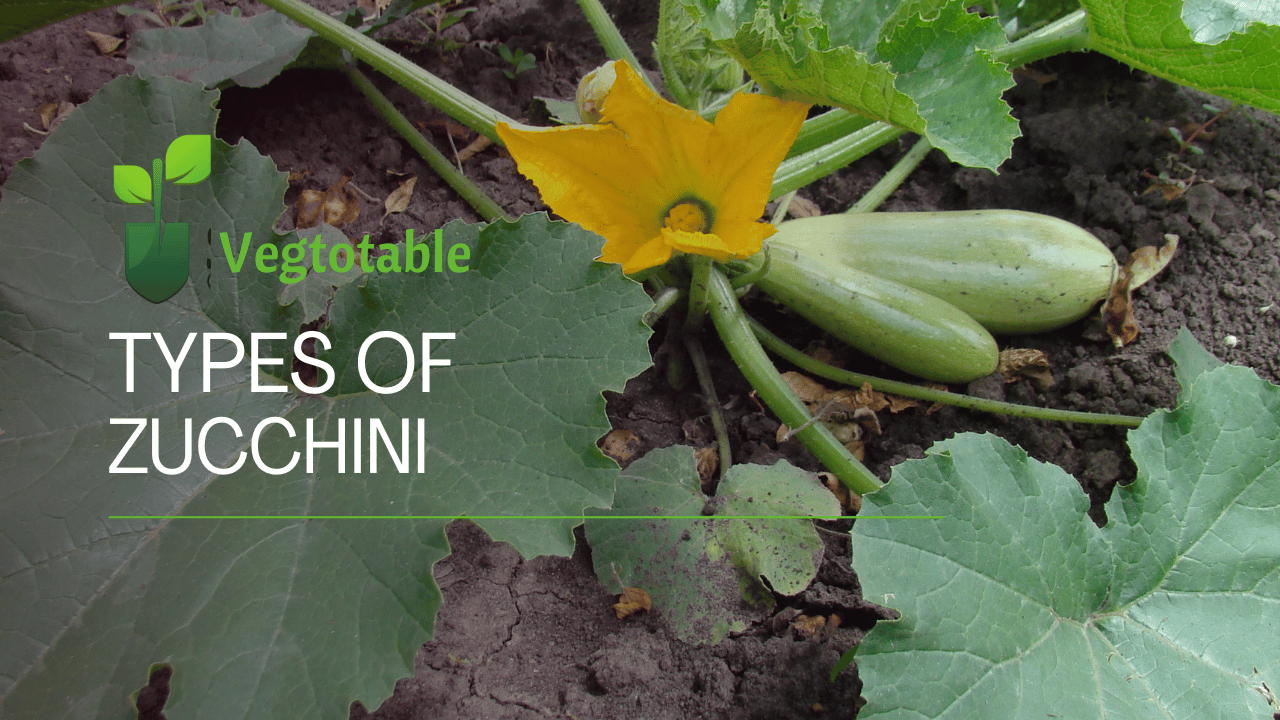
Here's a mistake I made early on. I walked into the garden center, grabbed the first zucchini seed packet I saw, and figured that was that. A zucchini is a zucchini, right?
Wrong.
By mid-summer I was drowning in mediocre, watery zucchini that I didn't even really enjoy eating. Meanwhile, I later found out there were striped Italian varieties with dense, nutty flesh that actually taste like something. There were climbing types perfect for small spaces. Round ones made for stuffing. Yellow ones that look incredible on a plate. And varieties specifically bred to survive the kind of hot, dry summer that was destroying my plants year after year.
If you're going to grow zucchini, and you absolutely should, it's worth taking five minutes to figure out which one actually makes sense for your garden and your kitchen.
That's what this article is for.
Heirloom or Hybrid? Know This Before You Buy Seeds
Before we get into the types, there's one decision you'll need to make: heirloom or hybrid.
Heirloom varieties are open-pollinated. They've been grown for generations without crossbreeding. You can save seeds from your best plants and grow the same thing next year. They tend to have more interesting flavors but can be a bit less predictable in yield and disease resistance.
Hybrid varieties (F1) are bred by crossing two specific parent plants to get the best of both worlds: higher yields, better disease resistance, more uniform fruit. The tradeoff is you can't save seeds. Plant seeds from a hybrid zucchini next year and you'll get something completely different, or nothing worth eating.
Neither is wrong. I grow both. But it's good to know which you're working with before you buy.
Classic Green Zucchini
This is the one you already know. Long, cylindrical, smooth, dark green skin. It's what's sitting in a bin at your grocery store right now.
Black Beauty
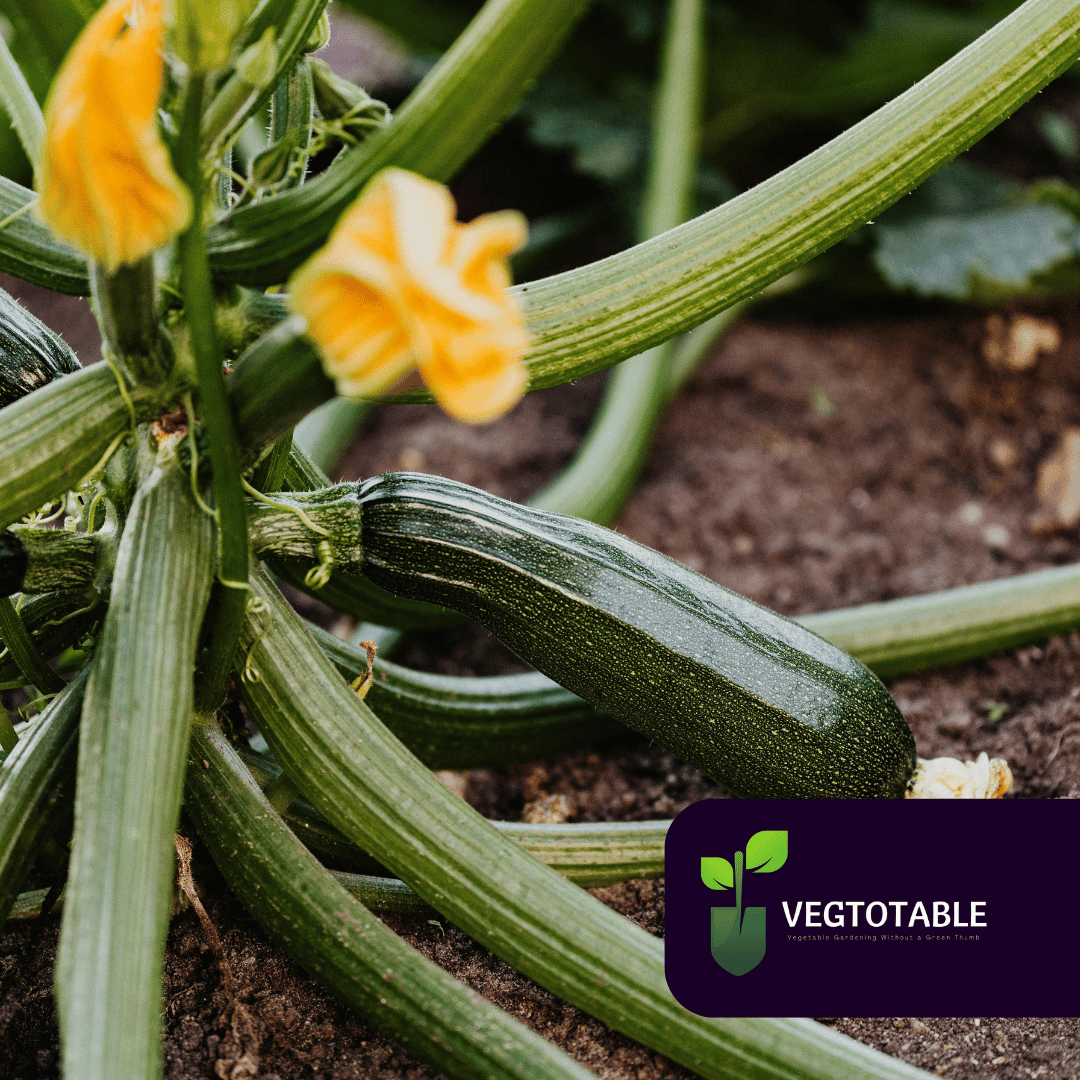
If you want to grow exactly what you're used to buying at the store, this is your variety. Black Beauty is the closest thing to the grocery store standard that you can grow at home. It's an American heirloom that's been around since the early 1900s and it became the template for just about every commercial zucchini that followed.
Dark green, nearly black skin. White, tender flesh. Mild flavor. Very few seeds. It's ready in about 50 days and it produces like crazy on compact bush plants. It's also one of the easiest zucchinis you can grow, which makes it a great starting point if you haven't grown much before.
The tradeoff is flavor. It's mild, really mild. It takes on whatever you cook it with, which makes it versatile, but if you want something with actual character, you'll want to look further down this list.
Dark Green Zucchini
Similar to Black Beauty and also what you'll typically find sold commercially. Bred for uniformity, productivity, and shelf life. Best harvested young at 6 to 8 inches before the seeds develop. After that the texture goes downhill fast.
Green Machine
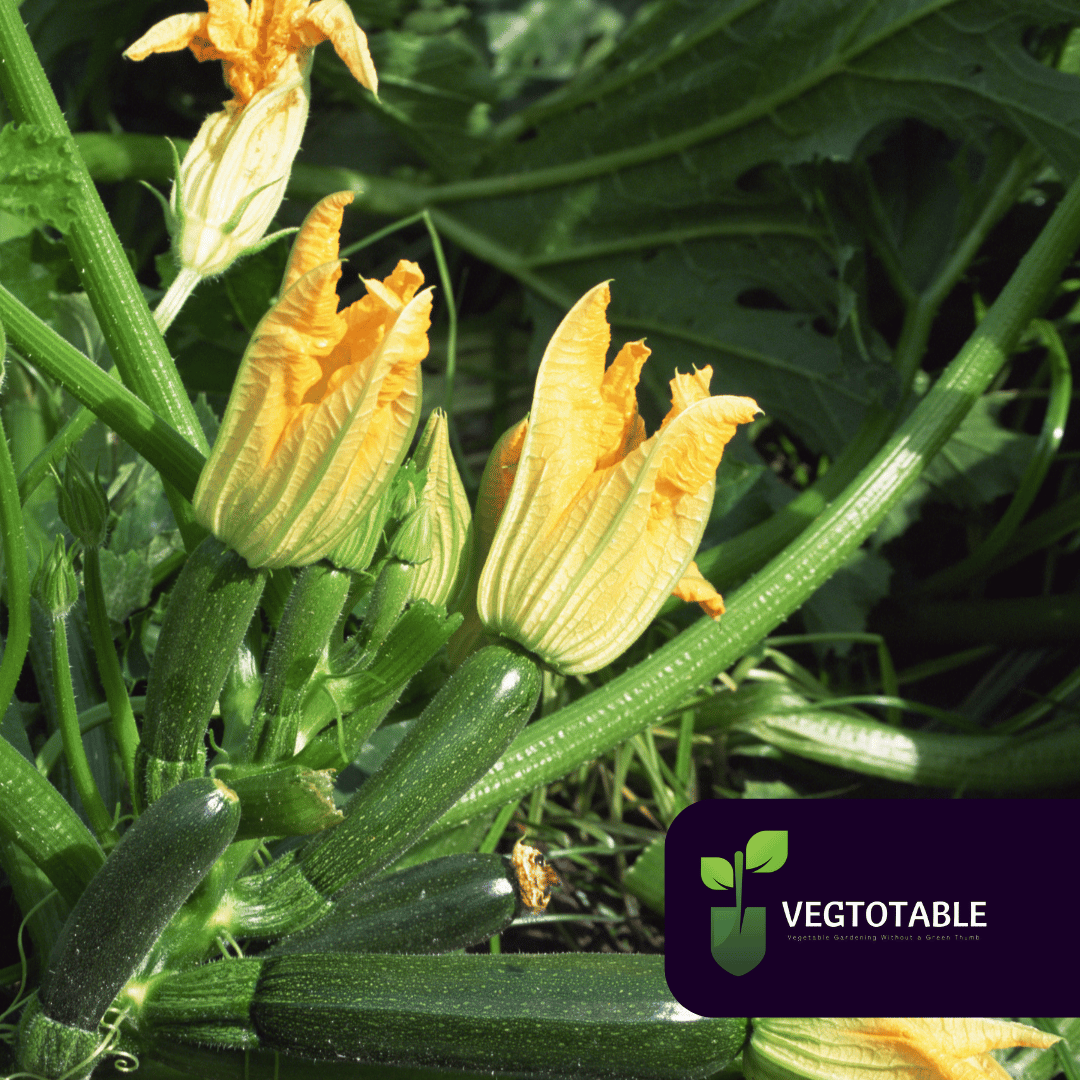
This is one of the fastest zucchinis you can grow, ready in about 45 days. I like to get one in early because it's putting out fruit while my other varieties are still getting established. It has a slightly nutty flavor compared to the standard green types, and it was bred specifically for disease resistance. The plants have an open habit that makes harvesting easy. Good all-around variety.
Striped and Ribbed Italian Types
This is where things get interesting. These are older Italian varieties that have been grown for generations, and they're genuinely better tasting than the standard American green zucchini. The flesh is denser, less watery, and has real flavor.
Cocozelle
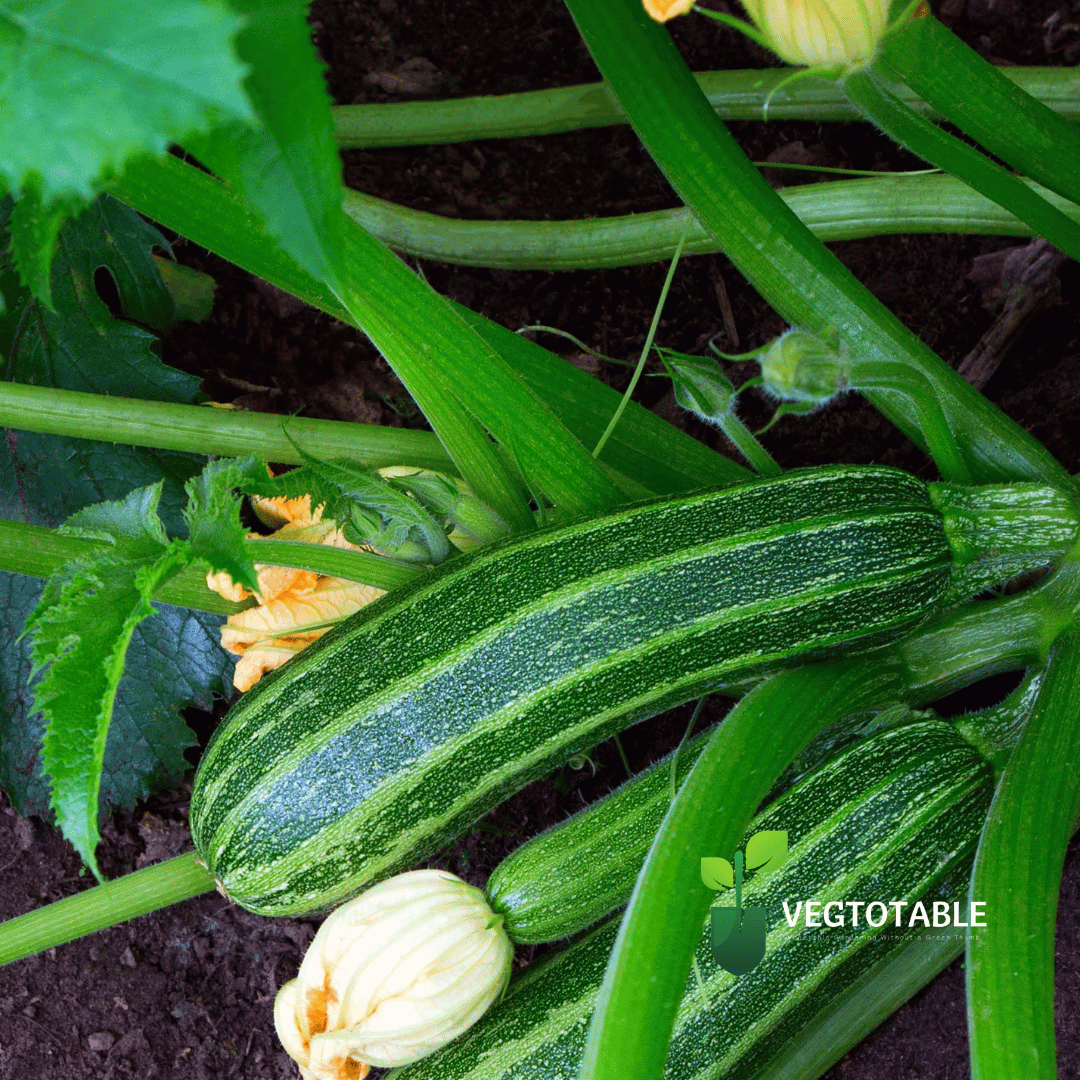
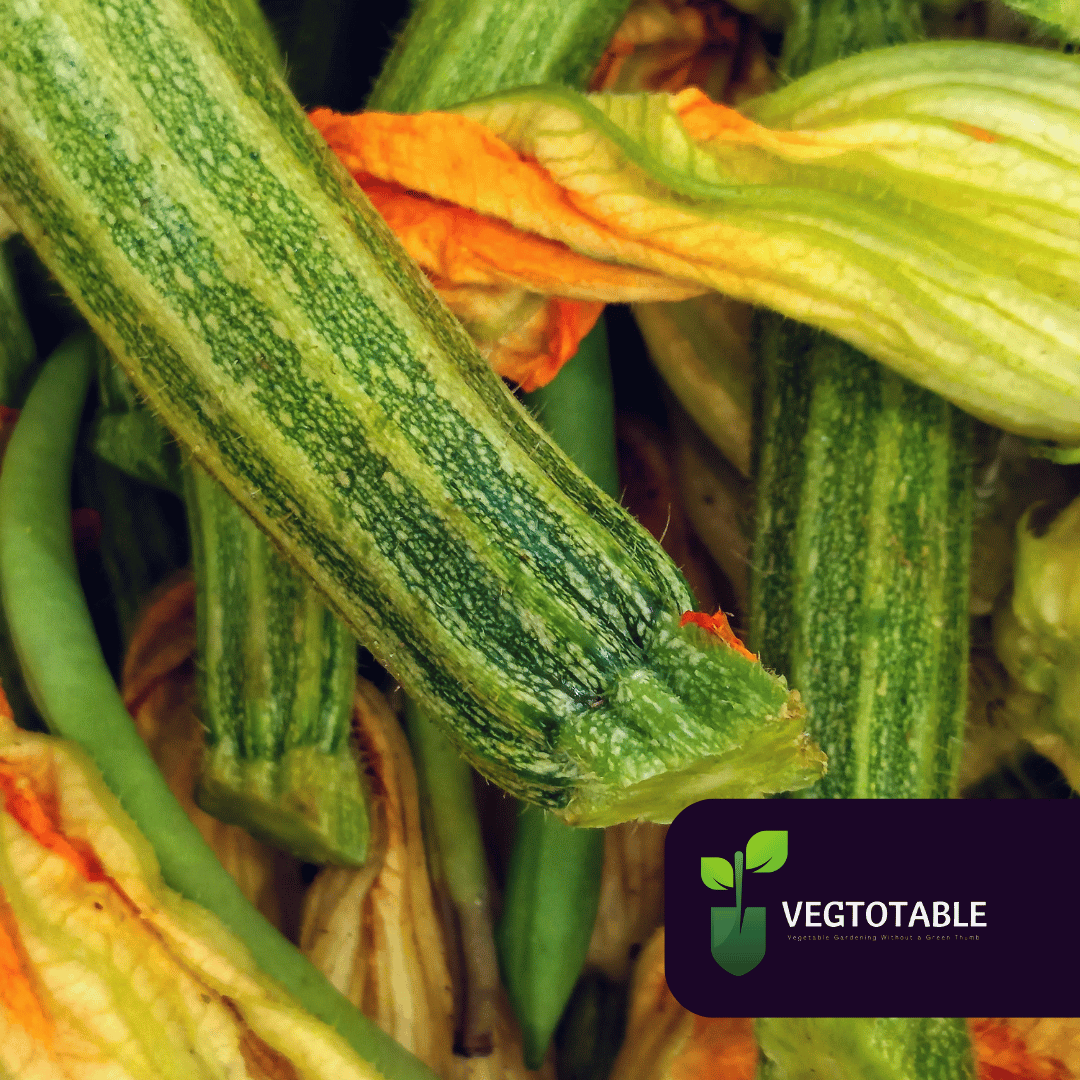
Cocozelle is one of my favorites to grow. The fruits are striped with alternating light and dark green and have a slightly ribbed texture that gives you star-shaped slices when you cut them crosswise. They're gorgeous on a plate.
But the real story with Cocozelle is the flavor. The flesh is firmer and more flavorful than your standard green zucchini. It doesn't turn to mush when you cook it. It's best harvested at 6 to 8 inches, and the plants are compact and very productive.
It's also an heirloom, which means you can save seeds from your best plants. The blossoms are large and edible too, which is a bonus if you've ever wanted to try stuffed zucchini flowers.
Costata Romanesca
If I had to pick one zucchini for flavor, this would be it. Costata Romanesca is a deeply ribbed, almost fluted Italian heirloom with a nutty, rich taste that's in a completely different league from what you buy at the store.
The flesh is less watery than commercial varieties, which means it holds up when you roast or sauté it instead of turning into a soggy mess. The ribs also mean the cross-sections look beautiful — like little stars. Worth growing for the presentation alone.
The plants are larger and more vigorous than modern bush types, so give them some room.
Striata d'Italia
Another striped Italian heirloom, similar to Cocozelle but with more pronounced stripes and a rangier, more vining habit. It's one of the earliest producers I've grown, first fruits in about 50 days from transplanting. The downside is it spreads out considerably. If space is tight, Cocozelle is the better choice. But if you have room and want something that starts producing fast and keeps going all season, Striata d'Italia is worth a look.
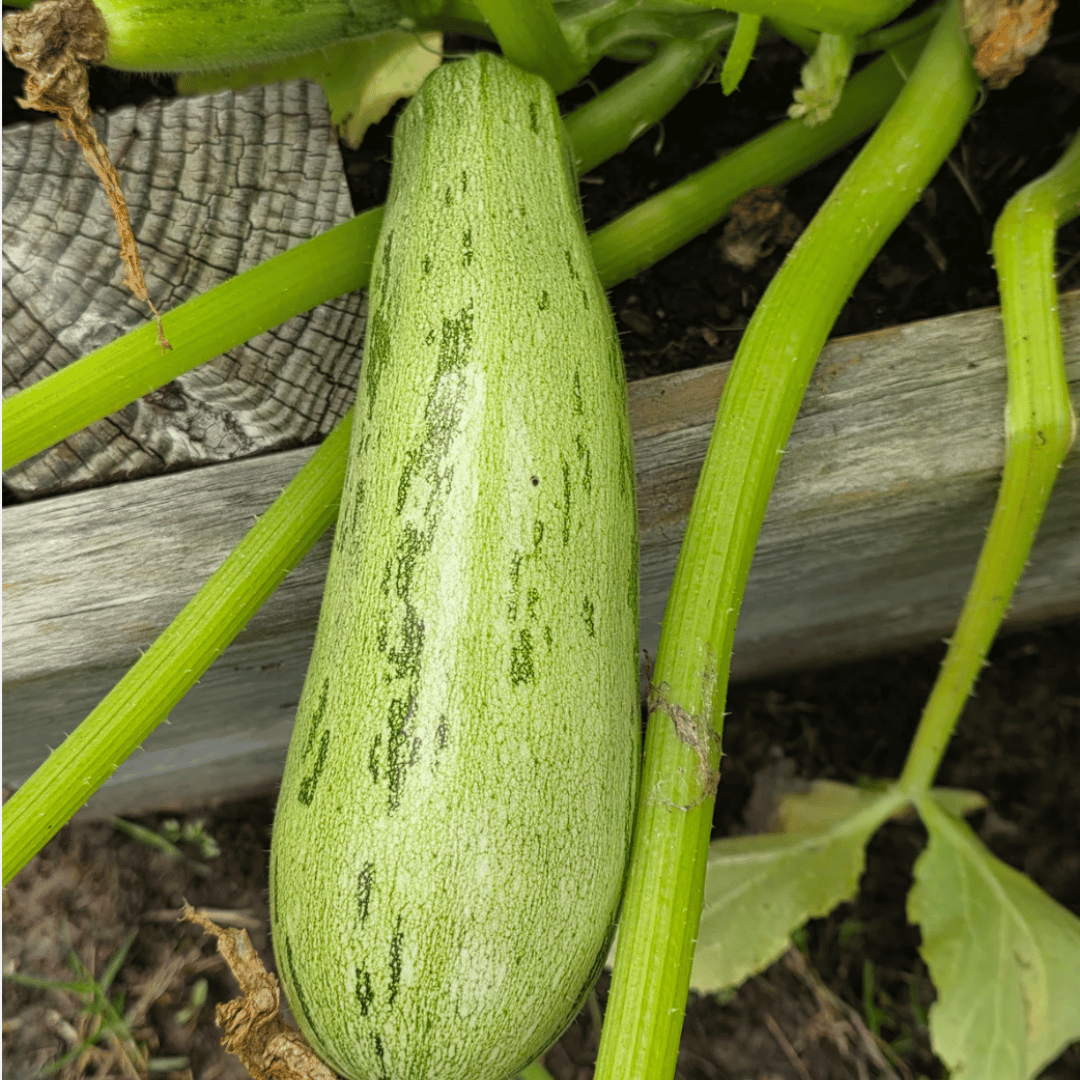
Image Source: Mary’s Heirloom Seeds
Caserta
Caserta is a bit different from the others in this category. The skin is a light grayish-green with darker green stripes, and the flesh is creamy and dense with excellent flavor. What sets it apart is that you can actually harvest it larger than most zucchini, up to 12 to 16 inches, without the texture falling apart. Most zucchinis turn woody and seedy if you let them get too big. Caserta doesn't.
It grows on compact, bushy plants that work well in smaller beds and containers. High-yielding for an heirloom. One of the more underrated varieties out there.
Yellow Zucchini
Yes, zucchini comes in yellow. And no, it's not a different vegetable. Yellow zucchini is essentially the same plant with a bright golden skin. The flavor is a touch sweeter than green varieties, but it's mostly the same mild zucchini taste.
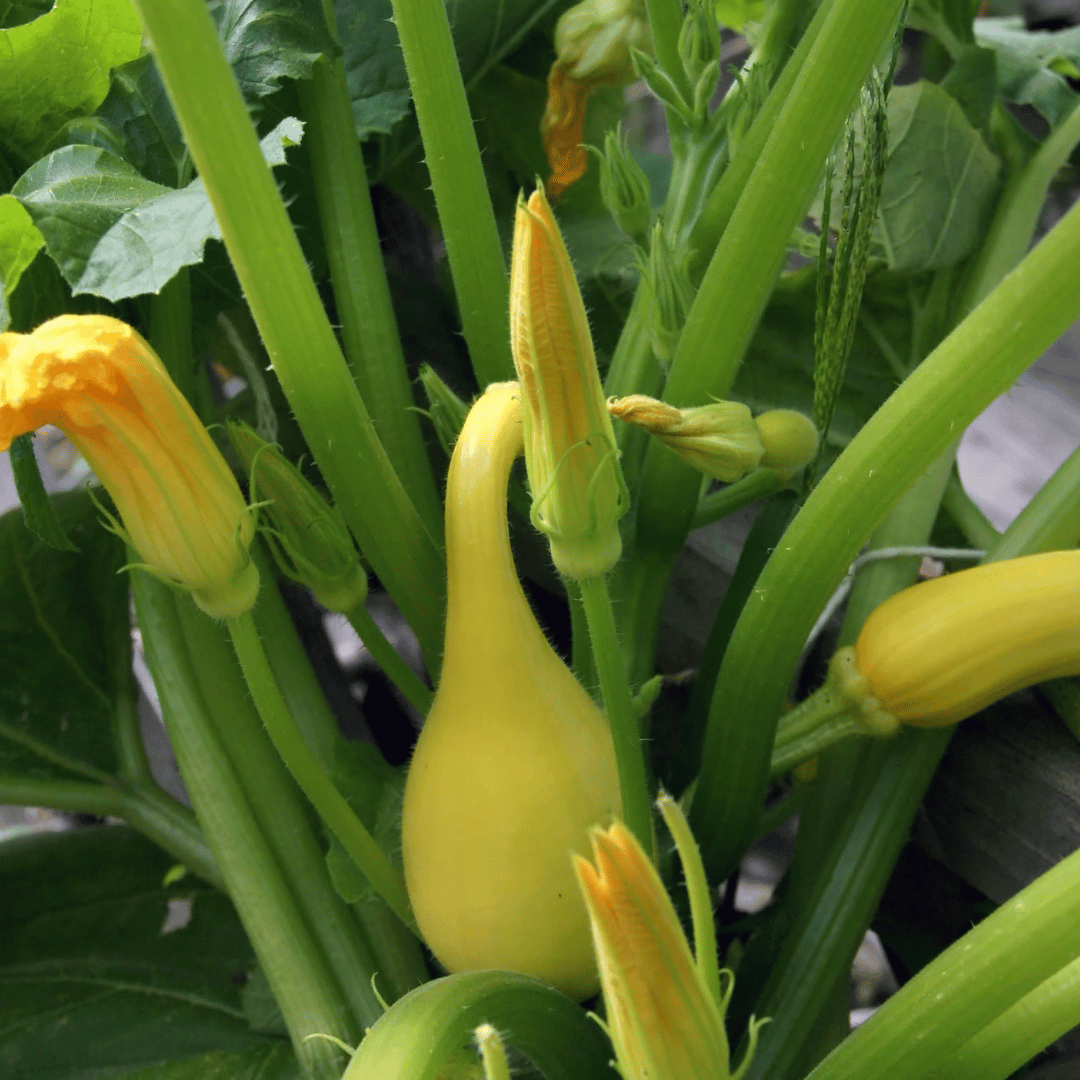
The reason to grow it? Color. Mix it with green zucchini in a sauté or a salad and the plate looks incredible.
Gold Rush (Golden Zucchini)
The most common yellow variety. Bright, radiant color with a delicate flavor. Bushy plants, ready in about 50 days. Easy to grow.
Cube of Butter
This one surprised me. Pale yellow, mild and pleasant flavor, and it produces absolutely relentlessly. If I had to pick just one variety to grow, I'd have a hard time leaving this one off the list. It's that productive.
Round Zucchini (Eight Ball)
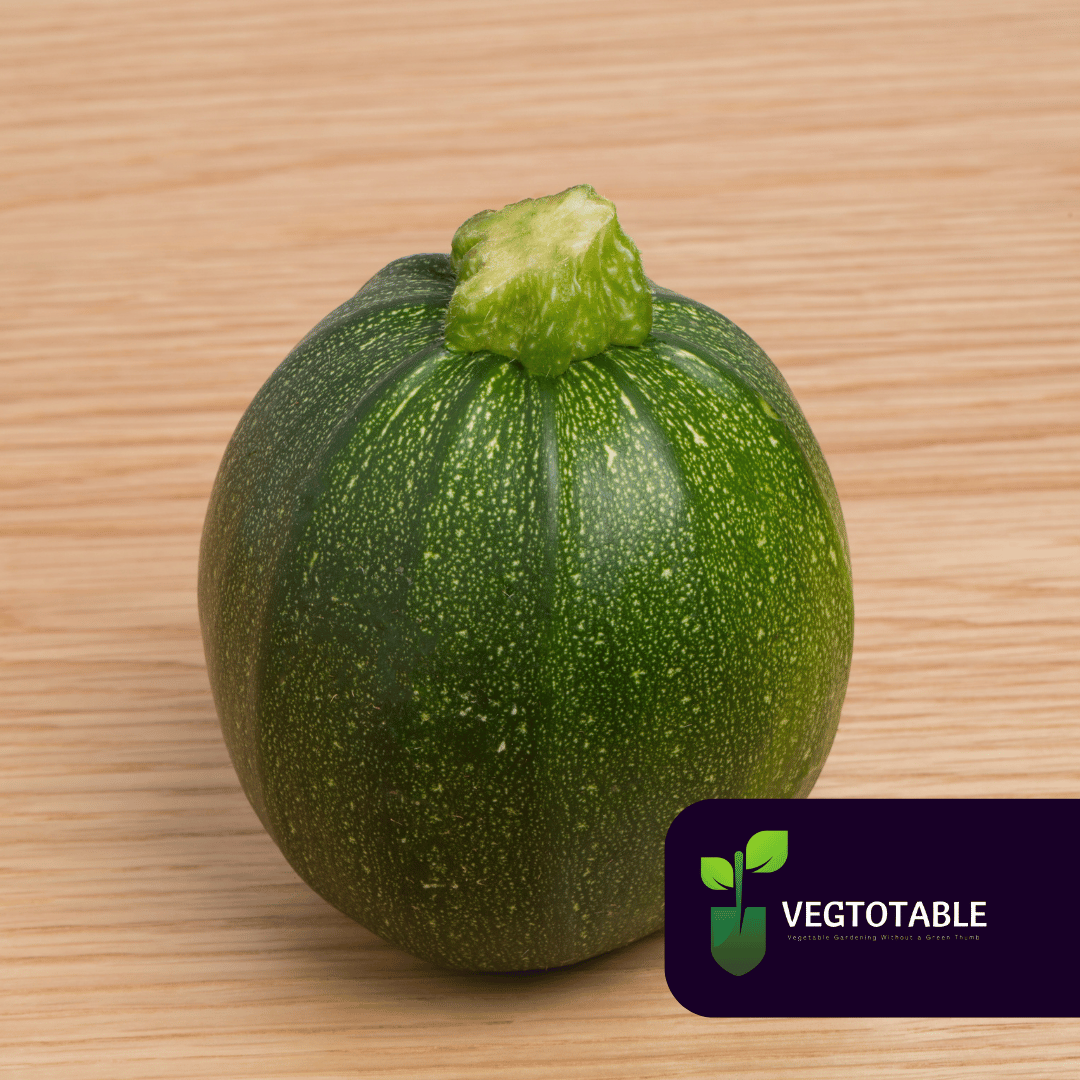
Round zucchini looks exactly like it sounds, a dark green ball about the size of a baseball. It's not just a novelty. The round shape makes it perfect for stuffing, and the flesh has a slightly creamier, sweeter texture than the standard cylindrical types.
Eight Ball
The most popular round variety. Ready in about 50 to 55 days. Harvest it at baseball size for the best texture. Let it go too long and the skin gets tough. Slice off the top, scoop out the interior, stuff it with whatever sounds good, and bake it. It's one of the more impressive things you can put on the dinner table from your garden.
Pattypan Squash
Pattypan is the flying saucer of the zucchini world. It's shallow and disc-shaped with scalloped edges, and it comes in white, green, and yellow. Most commonly yellow.
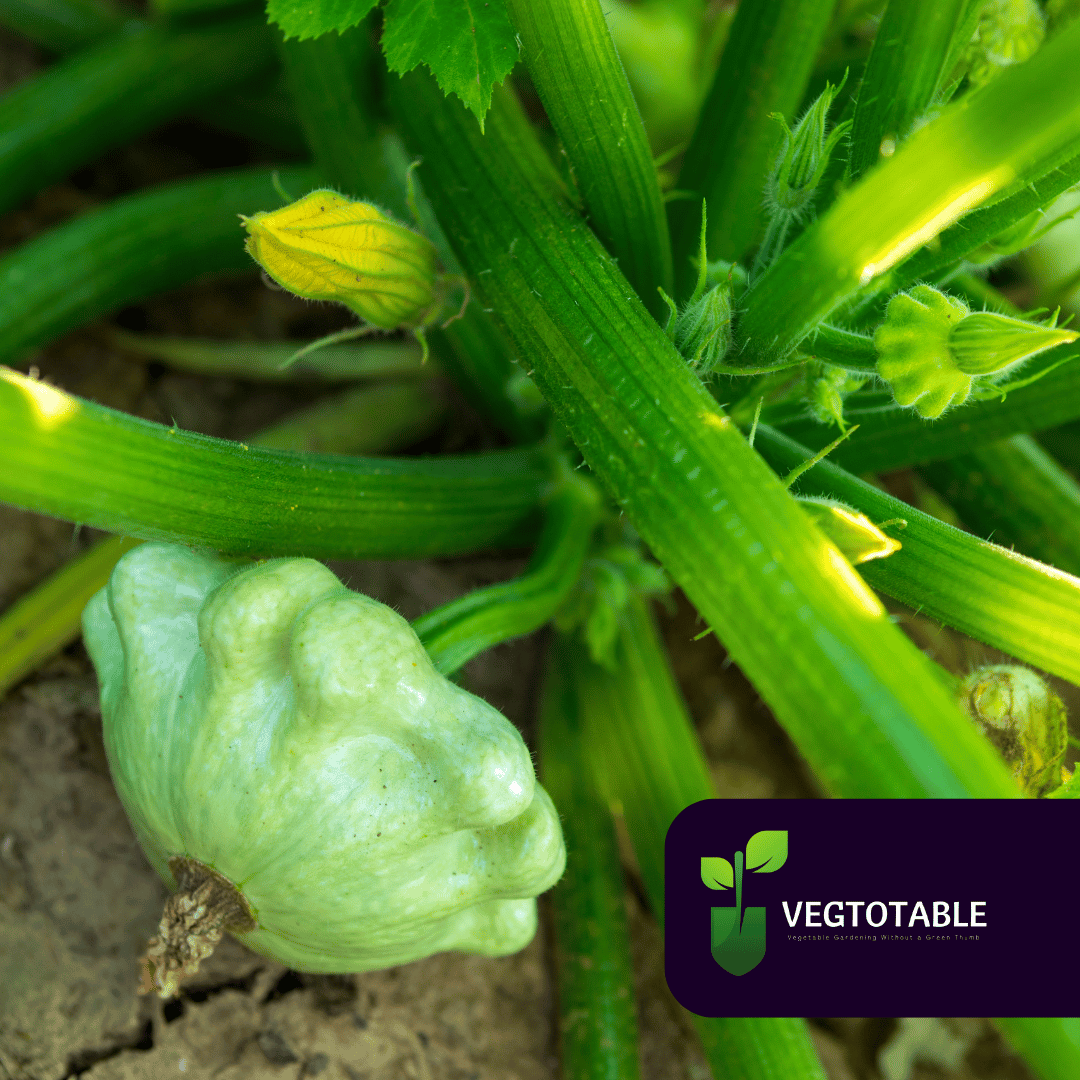
It's technically a summer squash rather than a true zucchini, but it's close enough that most gardeners lump it in the same category, or at least I do. Ready in 45 to 70 days and a fast grower.
The best use for pattypan is roasting or grilling, where its sweet flavor really comes through. Like the round varieties, it's also great for stuffing because of its natural bowl shape. You can eat it raw, but cooking brings out a lot more from it.
Sunburst is the most popular yellow pattypan variety and it's hard to miss in the garden, bright yellow, almost glowing. I’ve never grown one, but I’ve seen them in other gardens before.
Peter Pan is essentially the green version.
Climbing and Vining Zucchini
Most zucchini are bush types. These aren't. Vining zucchini grow upward, not outward, which is a game changer if you don't have a lot of horizontal space.
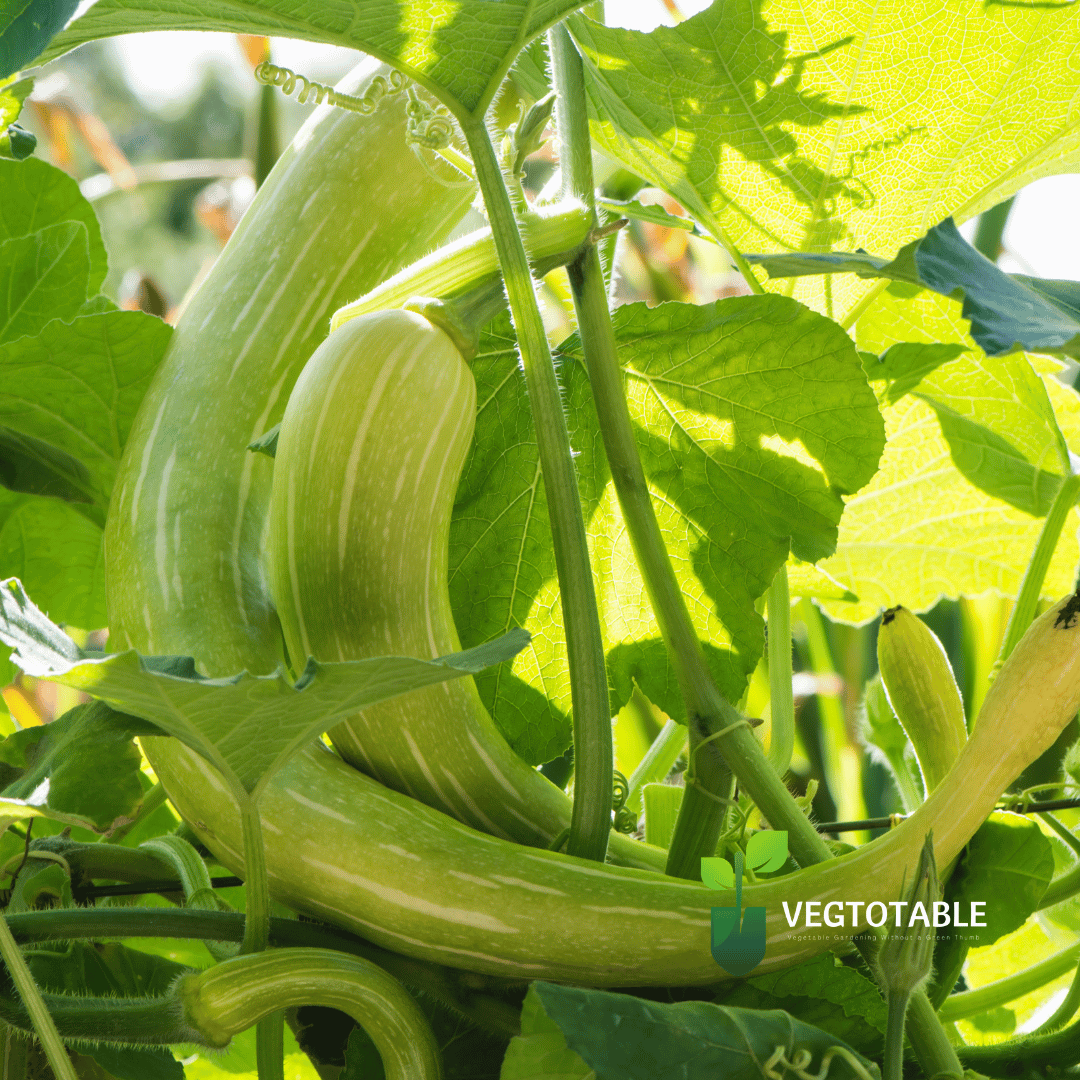
Tromboncino (Zucchetta Rampicante)
This one deserves its own section, honestly. Tromboncino is a long, curved, light green to beige zucchini that grows on a vigorous climbing vine. It's actually a different species than standard zucchini, Cucurbita moschata, the same family as butternut squash, which is part of why it behaves so differently.
When harvested young, it tastes like zucchini. When you let it mature, it becomes more like a butternut squash. Two vegetables in one plant. Who wouldn’t want a two-for-one.
But the real reason I grow Tromboncino is pest resistance. Standard zucchini are targets for squash vine borers and squash bugs. Tromboncino shrugs them off. If you've had your zucchini plants wiped out mid-season by pests, this is worth trying.
It will cross-pollinate with other zucchini varieties, so plant it away from your other squash or stagger the planting dates if you're saving seeds.
Black Forest
A climbing hybrid variety that grows up to 7 feet tall. Perfect for a trellis in a raised bed or a large container. The fruits are classic dark green zucchini, great for roasting and grilling. It's a hybrid so you can't save seeds, but if vertical growing is what you need, this is one of the best options out there.
Middle Eastern Zucchini (Cousa / Lebanese Kusa)
These are shorter, chunkier, and pale green compared to the standard types. They're staples in Middle Eastern cooking, particularly for stuffed dishes, and they have a denser, nuttier flavor than your average zucchini.
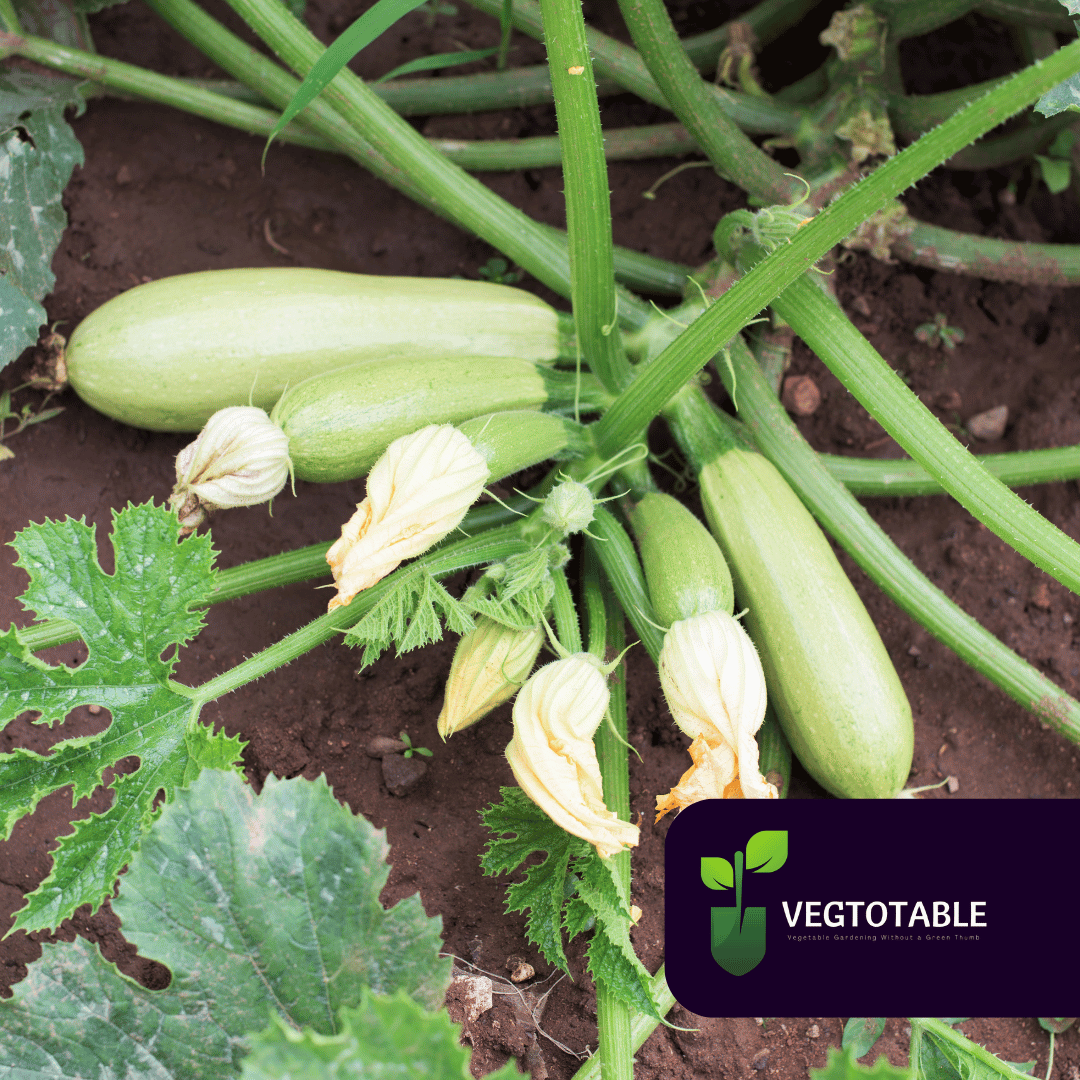
Magda
Magda is a cousa-type hybrid that's ready in about 48 days. It's short and squat with pale green skin and dense, nutty flesh. It apparently won a taste trial at Johnny's Seeds against other Middle Eastern varieties, which tells you something.
The key with Magda is to harvest it small, 3 to 4 inches, for the best flavor and texture. Let it go too long and it loses what makes it special. It's excellent sautéed with fresh basil and also one of the best zucchinis for grilling.
Lebanese Zucchini (Kusa)
Similar to Magda, Lebanese zucchini (also called kusa, cousma, or cymling depending on where you look) is small, cylindrical, pale green, and has a sweet, nutty flavor with firm flesh. It's the traditional variety used for stuffed zucchini in Lebanese and Syrian cooking. Hollow it out, fill it with seasoned rice and meat, simmer it in tomato broth, and you'll understand why this variety has been grown for centuries.
Grey Zucchini (Calabacita)
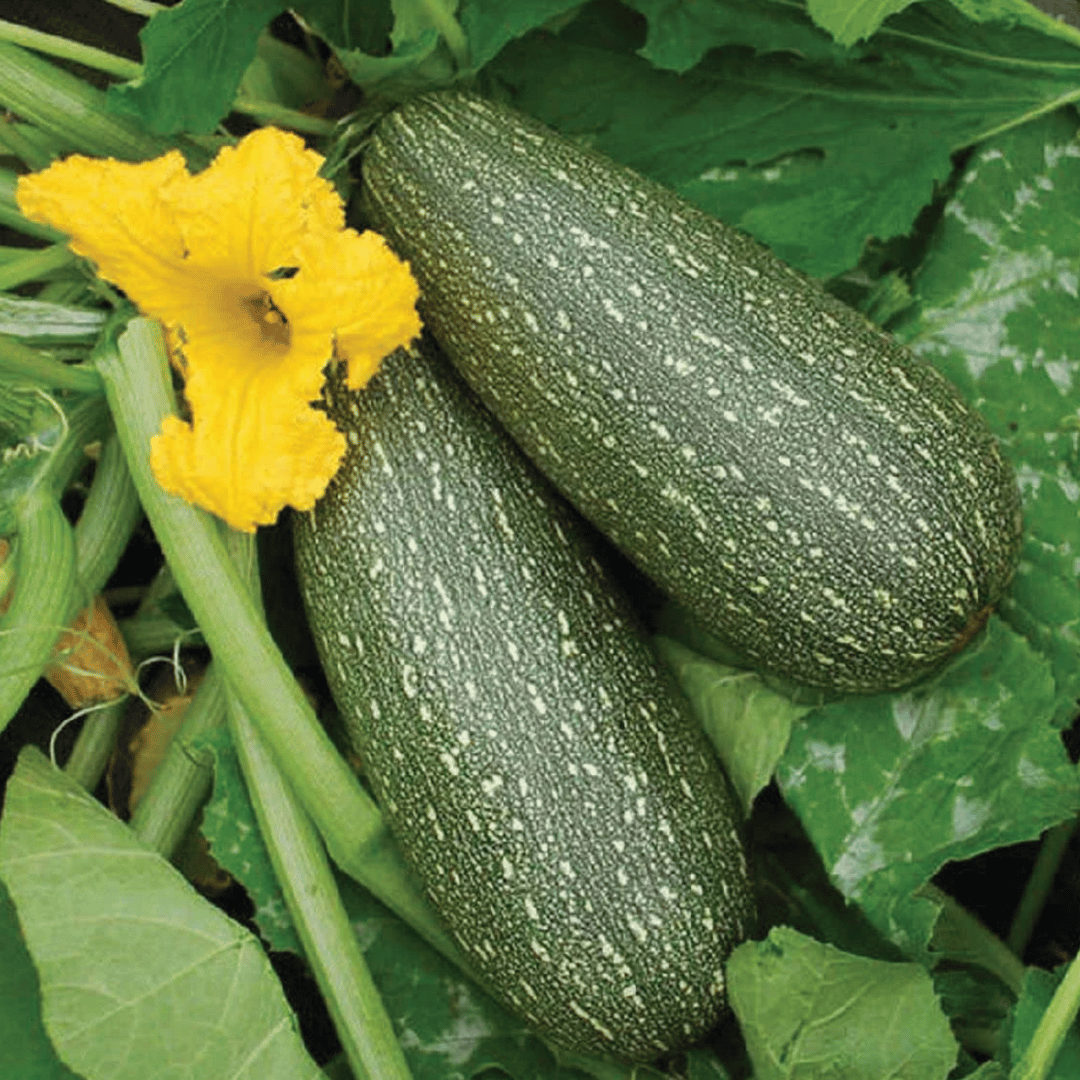
Image Source: MIGardener
Grey zucchini is shorter and thicker than standard types, with a soft grey-green skin covered in pale flecks. It's a staple in Mexican and Southwestern cooking, often labeled calabacita or calabacita larga at Mexican markets.
What sets the grey types apart is texture. The flesh is exceptionally tender, more so than other varieties, and the flavor is slightly sweeter and more delicate. It shines in simple preparations. Sautéed with corn, onions, and peppers. Added to soups and stews where its soft texture blends beautifully with everything else.
Greyzini is one of the more widely available grey varieties and it has a mild, pleasant flavor with that distinctive grey-green color.
Specialty Varieties Worth Knowing
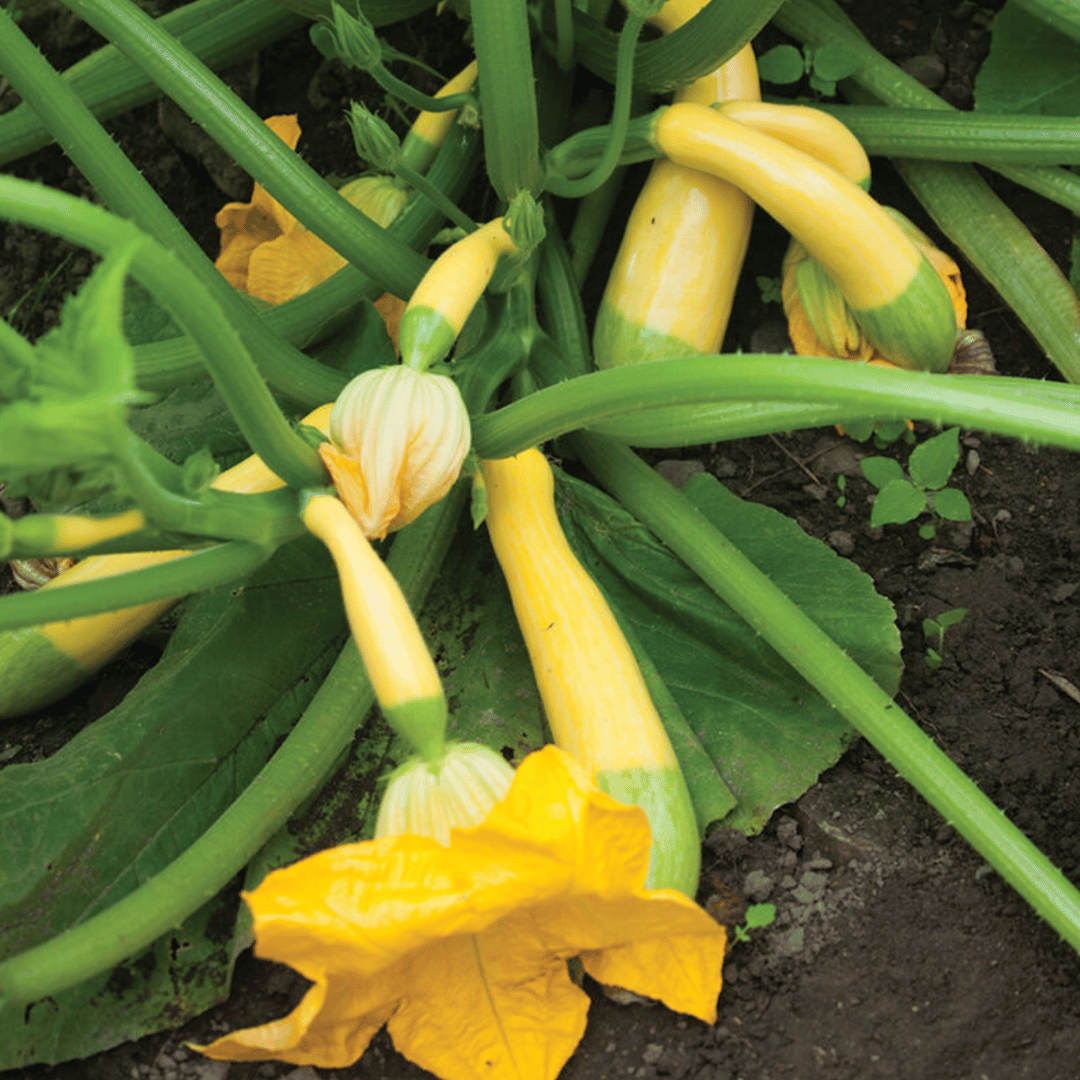
Image Source: Johnny’s Seeds
Zephyr
Zephyr is the most visually striking zucchini I've ever grown. The top half is yellow and the bottom half is light green, like it was dipped in paint. It's a hybrid cross between yellow crookneck squash and green zucchini, and it doesn't just look different — it tastes different too. Firmer, nuttier, not as mild as standard varieties. Juicy on the inside, which makes it excellent for sautéed dishes and stir fries. You can also eat it raw with a dip.
Tatume
Tatume is a Mexican heirloom that most American gardeners have never heard of, which is a shame. It's round to oval shaped, slightly sweeter than standard zucchini, and grows on a vining plant. It's heat tolerant, squash bug resistant, and powdery mildew resistant, three things that are very hard to find in one variety.
If you live somewhere hot and humid where your zucchini plants always seem to struggle and die before they really get going, Tatume might be the answer. It's also great on the grill. Sliced and charred over coals, it's one of the better things I've put on a plate from my garden.
Safari
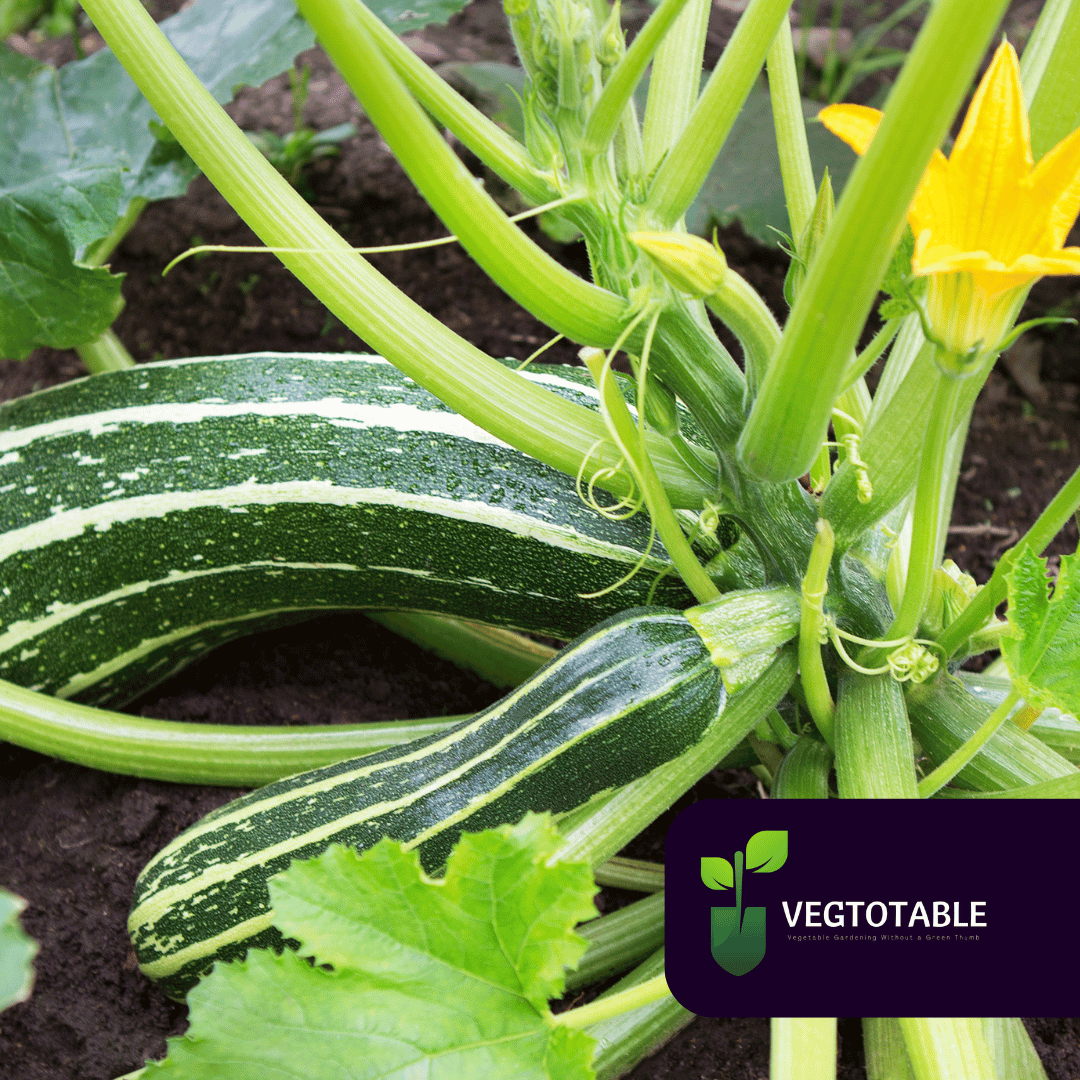
Safari is one of those varieties that makes you stop and stare at your garden. The stripes are stunning, deep green with lighter green markings that look almost painted on. But it's not just pretty. Safari is impressively productive and has a more interesting flavor than the standard green types. Highly recommend it if you want something that looks as good as it tastes.
Disease Resistance: What to Grow If Your Zucchini Always Dies
If you've had zucchini plants that started strong and then collapsed mid-summer, you're probably dealing with one of these: powdery mildew, squash vine borers, squash bugs, or one of several mosaic viruses.
Here's the short version on which varieties hold up best.
Powdery Mildew Resistance Varieties
Powdery mildew is the most common problem. The leaves get white, chalky spots and the plant slowly deteriorates. Varieties bred specifically for resistance include Dunja, Desert F1, Green Machine, Spineless Supreme, and Emerald Delight. If you live somewhere hot and/or humid (the Deep South, the Southwest, Florida) plant at least one of these.
Desert F1 is the one I'd point you toward first if heat and disease are both concerns. It was tested on a farm in Minnesota during a severe drought with no irrigation and kept producing. That's a tough variety.
Squash Vine Borers Resistant
Squash vine borers and squash bugs are a different problem entirely. They're insects, not diseases, and most standard zucchini varieties are vulnerable. The best options here are Tromboncino (naturally resistant because it's a different species) and Tatume (known to resist squash bugs while most other varieties get wiped out).
Partenon is worth mentioning separately. It's a parthenocarpic variety, meaning it can set fruit without pollination at all. This makes it ideal for greenhouses and high tunnel growing, but it's also excellent in extremely hot climates where bee activity drops off and pollination becomes inconsistent. It also has good pest and disease resistance built in.
How Many Plants Do You Actually Need?
One. Maybe two.
I'm serious. Zucchini is one of the most productive plants in the vegetable garden. A single healthy plant can produce more than most families can eat. Plant three and you'll be leaving bags on your neighbors' porches by August.
If you want to grow multiple varieties for different culinary uses, a standard green for everyday cooking, a round type for stuffing, a yellow variety for color, that makes sense. But don't plant four of the same variety unless you're feeding a small village or want to freeze it for zucchini all winter long.
My Recommendations by Use
If you want to start simple and grow what you know: Black Beauty or Dark Green Zucchini.
If you want the best flavor: Costata Romanesca or Cocozelle.
If you have limited space: Eight Ball in a container, or Black Forest on a trellis.
If you want something beautiful on the plate: Zephyr, Safari, or mix yellow and green varieties.
If you want the best for stuffing: Eight Ball, Pattypan, or Lebanese Kusa.
If you struggle with pests or disease: Tromboncino for vine borers and squash bugs, Dunja or Desert F1 for powdery mildew and viruses.
If you live somewhere really hot: Tatume, Desert F1, or Korean Zucchini (Aehobak).
Whatever you choose, zucchini is one of the most forgiving crops you can grow. Pick the right variety for your space and climate, harvest regularly, and you'll have more than you know what to do with by midsummer.
That's a good problem to have.
